Solana processes thousands of transactions per second at a fraction of a cent each. After surviving the FTX collapse, multiple network outages, and intense market scrutiny, it has emerged as one of crypto’s most active ecosystems—ranking in the top 5 by market cap with growing ETF speculation. This comprehensive guide covers everything you need to know about Solana in 2026, from its innovative technology to navigating its thriving ecosystem.
What Is Solana?
Solana is a high-performance Layer 1 blockchain designed for speed, scalability, and low transaction costs. Founded in 2017 by Anatoly Yakovenko, a former Qualcomm engineer who worked on wireless communication protocols, Solana launched its mainnet in March 2020. The project aimed to solve the blockchain trilemma—achieving scalability without sacrificing decentralization or security.
Unlike Ethereum, which processes transactions sequentially, Solana uses parallel processing to handle multiple transactions simultaneously. This architectural difference enables significantly higher throughput while maintaining low fees.
Key statistics (2026):
- Theoretical TPS: 65,000
- Real-world TPS: 2,000-4,000
- Average transaction fee: $0.00025
- Block time: ~400 milliseconds
- Active validators: 1,900+
- Total value locked (TVL): $8+ billion
How Solana Works: Technical Architecture
Solana’s speed comes from eight key innovations working together. Understanding these helps explain why Solana can achieve such high throughput.
Proof of History (PoH)
Proof of History is Solana’s signature innovation. PoH creates a cryptographic timestamp that establishes a verifiable order of events before consensus occurs. Traditional blockchains require validators to communicate extensively to agree on transaction order—this communication creates bottlenecks.
PoH works by running a sequential hashing function that produces a unique output at each step. This creates a “clock” that proves time has passed between events. Validators can verify the order of transactions without communicating with each other first, dramatically reducing coordination overhead.
How PoH improves speed:
- Transactions are timestamped before reaching consensus
- Validators process transactions in parallel
- Less communication required between nodes
- Block production happens continuously, not in rounds
Proof of Stake (PoS)
Solana combines PoH with Proof of Stake for its consensus mechanism. Validators stake SOL tokens as collateral to participate in securing the network. The more SOL staked, the higher the chance of being selected to produce blocks.
Validators earn rewards from:
- Block rewards (inflation)
- Transaction fees
- MEV (Maximal Extractable Value)
Current staking yields approximately 6-8% APY, though this varies based on validator performance and commission rates.
Other Key Innovations
| Technology | Function | Benefit |
|---|---|---|
| Tower BFT | PoH-optimized Byzantine Fault Tolerance | Fast consensus without heavy communication |
| Turbine | Block propagation protocol | Efficient data transmission across nodes |
| Gulf Stream | Mempool-less transaction forwarding | Reduces confirmation times |
| Sealevel | Parallel smart contract runtime | Process thousands of contracts simultaneously |
| Pipelining | Transaction processing unit | Optimizes validation across hardware |
| Cloudbreak | Horizontally-scaled accounts database | Enables concurrent reads and writes |
Solana vs Ethereum: Detailed Comparison
| Feature | Solana | Ethereum L1 | Ethereum L2s |
|---|---|---|---|
| Transactions per second | 2,000-4,000 | 15-30 | 2,000-4,000 |
| Average fee | $0.00025 | $1-50+ | $0.05-0.50 |
| Finality time | ~400ms | ~12 minutes | ~2 seconds (soft) |
| Programming language | Rust | Solidity | Solidity |
| Ecosystem size | Growing rapidly | Largest | Expanding |
| Decentralization | Moderate | High | Varies |
| Validator requirements | High hardware specs | 32 ETH + moderate specs | N/A (uses L1) |
Key tradeoff: Solana achieves higher L1 performance but requires more powerful validator hardware, leading to centralization concerns. Ethereum prioritizes decentralization and scales through Layer 2 solutions.
The SOL Token: Utility and Tokenomics
Token Utility
SOL serves multiple functions within the Solana ecosystem:
- Transaction fees: Every Solana transaction requires SOL to pay fees
- Staking: SOL holders can stake directly or delegate to validators
- Rent: Accounts holding data on Solana pay rent (small SOL amounts)
- Governance: SOL holders vote on protocol upgrades and parameters
- DeFi collateral: SOL is widely used as collateral in lending protocols
Tokenomics
| Metric | Value |
|---|---|
| Initial supply | 500 million SOL |
| Current supply | ~580 million SOL |
| Current inflation | ~5.5% annually |
| Inflation reduction | 15% decrease per year |
| Long-term inflation target | 1.5% |
| Fee burning | 50% of fees burned |
Unlike Ethereum’s EIP-1559 which can make ETH deflationary during high activity, Solana’s low fees mean burning has minimal impact on supply. The protocol relies on decreasing inflation to control token supply over time.
SOL Distribution History
Initial token distribution (at genesis):
- Seed sale: 15.86%
- Founding sale: 2.63%
- Validator sale: 5.07%
- Strategic sale: 1.84%
- Team: 12.5%
- Foundation: 10.46%
- Community: 38.89%
Most early tokens have vested, though concentration among early investors and the foundation remains a concern for some.
Solana Wallets: Complete Guide
Choosing the right wallet is your first step into the Solana ecosystem. Each wallet has strengths suited to different use cases.
Software Wallets
| Wallet | Platform | Best For | Key Features |
|---|---|---|---|
| Phantom | Browser, iOS, Android | Most users | Clean UI, built-in swaps, staking, NFT display |
| Solflare | Browser, iOS, Android | Advanced staking | Detailed validator info, hardware wallet support |
| Backpack | Browser, iOS, Android | Power users | xNFT apps, multiple chains, advanced features |
| Glow | iOS, Android | Mobile-first users | Fast, mobile-optimized, simple interface |
Hardware Wallets
For significant holdings, hardware wallets provide the best security:
- Ledger Nano S Plus/X: Full Solana support including NFTs and DeFi
- Trezor Model T: Solana support via third-party wallets
Security recommendation: Use hardware wallets for long-term holdings and staking. Use software wallets (with small amounts) for daily DeFi and NFT trading.
Setting Up Phantom (Recommended for Beginners)
- Download Phantom from phantom.app (never Google it—phishing sites exist)
- Create new wallet and securely store your 12-word seed phrase offline
- Set a strong password
- Buy SOL on an exchange (Coinbase, Kraken, Binance)
- Withdraw SOL to your Phantom address
Solana DeFi Ecosystem: Deep Dive
Solana’s DeFi ecosystem has grown substantially, offering alternatives to Ethereum-based protocols with lower fees and faster transactions.
Decentralized Exchanges (DEXs)
Jupiter (jup.ag)
Jupiter is Solana’s leading DEX aggregator, routing trades across multiple liquidity sources to find the best prices. In 2026, Jupiter handles the majority of Solana swap volume.
Jupiter features:
- Aggregates 15+ DEXs for best pricing
- Limit orders
- Dollar-cost averaging (DCA)
- Perpetual trading
- Bridge aggregation
Raydium
Raydium is an automated market maker (AMM) that provides liquidity to the ecosystem. It pioneered concentrated liquidity on Solana and offers yield farming opportunities.
Orca
Known for its user-friendly interface, Orca is popular among newer users. Its “Whirlpools” feature concentrated liquidity positions for capital-efficient trading.
Drift Protocol
Drift is Solana’s leading perpetual futures DEX, offering up to 20x leverage on various assets. It uses a unique “Just-In-Time” liquidity system.
Lending and Borrowing
| Protocol | Type | Key Feature | TVL (approx) |
|---|---|---|---|
| Kamino | Lending/Yield | Automated yield strategies | $1.5B+ |
| marginfi | Lending | Points program, multiple collateral | $800M+ |
| Solend | Lending | Established protocol, multiple pools | $400M+ |
Liquid Staking
Liquid staking lets you earn staking rewards while using your SOL in DeFi—you don’t have to choose between staking yield and DeFi yield.
| Protocol | Token | Approx APY | TVL |
|---|---|---|---|
| Marinade | mSOL | ~7% | $1.5B+ |
| Jito | JitoSOL | ~7.5% (includes MEV) | $2B+ |
| Lido | stSOL | ~6.5% | $400M+ |
Example yield stacking:
- Stake SOL on Jito → receive JitoSOL (~7.5% base yield)
- Deposit JitoSOL in Kamino as collateral
- Borrow stablecoins against it
- Use borrowed stablecoins for additional yield
Warning: Yield stacking increases complexity and risk. Liquidation can occur if SOL price drops significantly.
Solana NFTs
Solana has become a major NFT chain thanks to near-zero minting costs and fast transactions. While Ethereum remains dominant for high-value PFP collections, Solana excels in gaming NFTs, compressed NFTs, and high-frequency trading.
NFT Marketplaces
| Marketplace | Strength | Best For |
|---|---|---|
| Magic Eden | Largest selection, multi-chain | General browsing and buying |
| Tensor | Trading tools, real-time data | Active traders, analytics |
Why Solana for NFTs?
| Factor | Solana | Ethereum |
|---|---|---|
| Minting cost | ~$0.01 | $50-200+ |
| Transfer cost | ~$0.0001 | $5-50 |
| Speed | Instant | 12+ seconds |
| Compressed NFTs | Yes (mass minting) | No |
Compressed NFTs (cNFTs)
Solana’s compressed NFTs use state compression to reduce costs by 99%+. This enables:
- Minting millions of NFTs for under $100
- Gaming assets at scale
- Loyalty programs and tickets
- Social media collectibles
Compressed NFTs are stored in Merkle trees, with only the root hash on-chain. They’re fully compatible with wallets and marketplaces.
Other Ecosystem Sectors
Meme Coins
Solana has become a hub for meme coin trading due to its speed and low fees. Major meme coins include:
- BONK: The original Solana dog coin, widely integrated across DeFi
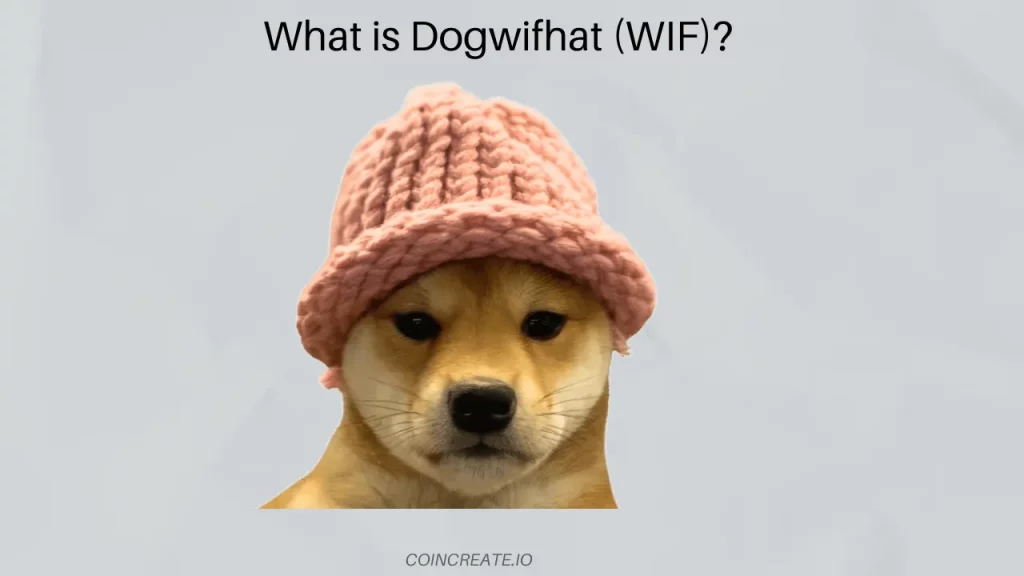
- WIF (Dogwifhat): Rose to billions in market cap in 2024
- POPCAT, MEW, and others: Active meme coin scene
Warning: Meme coins are extremely high-risk. Most go to zero. Never invest more than you can afford to lose completely.
DePIN (Decentralized Physical Infrastructure)
Solana hosts several major DePIN projects:
- Helium: Decentralized wireless network (IoT and 5G) migrated to Solana
- Render: Distributed GPU rendering network
- Hivemapper: Decentralized mapping with dashcam contributors
- io.net: Distributed GPU compute network
Gaming
Solana’s speed makes it suitable for gaming applications:
- Star Atlas: Space exploration MMO (in development)
- Aurory: Play-to-earn RPG
- Genopets: Move-to-earn game
Payments
- Solana Pay: Merchant payment system with QR codes
- Shopify integration: Accept SOL and USDC at checkout
- Visa/Worldpay pilots: Exploring Solana for settlement
2026 Developments and Roadmap
Alpenglow Consensus Upgrade
Alpenglow is a new consensus protocol targeting 100-150ms finality (down from ~400ms). Key improvements:
- Faster block confirmation
- Reduced latency for DeFi applications
- Better suited for high-frequency trading
- Expected rollout: Late 2026
Firedancer: New Validator Client
Firedancer is an independent validator client built by Jump Crypto, targeting 1 million+ TPS. Benefits:
- Client diversity: Second client implementation (like Ethereum’s Geth/Lighthouse)
- Performance: Optimized C implementation
- Resilience: Bugs in one client won’t affect the other
- Status: Partially live on mainnet, full release progressing
ETF Speculation
Multiple asset managers have filed for Solana spot ETF approval in the United States. Approval would:
- Enable institutional investment through traditional brokerages
- Potentially increase demand significantly
- Follow the pattern of Bitcoin and Ethereum ETF approvals
Timeline remains uncertain, dependent on regulatory decisions.
Getting Started with Solana: Step-by-Step
Week 1: Setup and First Transactions
- Install Phantom wallet from phantom.app
- Secure your seed phrase offline (paper, metal backup)
- Buy SOL on an exchange (Coinbase, Kraken recommended for beginners)
- Withdraw to Phantom – start with a small test amount
- Make your first swap on Jupiter (jup.ag)
Week 2: Explore Staking
- Stake SOL on Marinade (marinade.finance) to receive mSOL
- Earn ~7% yield while keeping SOL liquid
- Explore using mSOL in other DeFi protocols
Week 3: DeFi and NFTs
- Explore lending on Kamino or marginfi
- Browse NFTs on Magic Eden or Tensor
- Try limit orders on Jupiter
Ongoing: Security Best Practices
- Never share your seed phrase
- Use hardware wallet for large amounts
- Verify transaction details before signing
- Be skeptical of airdrops and DMs
- Use burner wallets for new protocols
Risks and Considerations
Network Outages
Solana experienced multiple outages in 2022-2023, some lasting hours. Causes included:
- Network congestion from bot activity
- Bugs in consensus code
- Denial-of-service attacks
2026 status: Stability has improved significantly. Protocol upgrades and fee mechanisms have reduced outage frequency, but the risk hasn’t been eliminated entirely.
Centralization Concerns
Running a Solana validator requires significant hardware:
- 256+ GB RAM
- High-end CPU (12+ cores)
- NVMe SSD storage
- 1 Gbps network connection
These requirements limit who can run validators compared to Ethereum, leading to debates about decentralization tradeoffs.
VC and Insider Concentration
Early investors and the Solana Foundation hold significant token amounts. While most vesting has completed, concentration remains higher than some other chains.
Smart Contract Risk
As with any blockchain, DeFi protocols carry smart contract risk. The 2022 Wormhole hack ($320M) demonstrated that bridges and protocols can be exploited. Always:
- Start with small amounts
- Prefer audited protocols
- Diversify across platforms
Frequently Asked Questions
Is Solana faster than Ethereum?
Yes, significantly faster on Layer 1. Solana processes 2,000-4,000 TPS with 400ms finality, while Ethereum L1 handles 15-30 TPS with 12+ minute finality. However, Ethereum Layer 2s like Arbitrum and Base achieve similar speeds to Solana while inheriting Ethereum’s security.
Why does Solana have network outages?
High throughput combined with aggressive block scheduling created edge cases where the network could halt. Protocol upgrades, including QUIC networking and fee markets, have dramatically improved stability since 2023. Firedancer’s independent implementation provides additional resilience.
Is Solana decentralized?
Solana is less decentralized than Ethereum due to higher validator hardware requirements and more concentrated token distribution. However, with 1,900+ validators across multiple geographies, it’s more decentralized than many alternative chains. The tradeoff enables Solana’s performance characteristics.
Is Solana good for beginners?
Yes. Low fees mean mistakes cost pennies rather than dollars. Fast transactions provide immediate feedback. Phantom wallet offers an intuitive experience. Start small, learn the ecosystem, then scale up.
What happened with FTX and Solana?
FTX and Alameda Research were major Solana investors and ecosystem participants. Their November 2022 collapse caused SOL to crash 60%+ and raised concerns about ecosystem viability. Solana recovered as projects continued building and the ecosystem proved resilient beyond any single entity.
Should I stake SOL directly or use liquid staking?
Liquid staking (Marinade, Jito) is generally recommended. You earn similar yields while keeping your SOL usable in DeFi. Direct staking makes sense if you want to support specific validators or avoid smart contract risk.
Conclusion
Solana offers a unique combination of speed, low costs, and growing ecosystem that makes it ideal for trading, NFTs, gaming, and payments. While centralization concerns and past stability issues exist, the network has matured significantly through 2024-2026. The upcoming Alpenglow upgrade and Firedancer client promise further improvements.
For beginners, Solana’s low fees provide a forgiving environment to learn crypto fundamentals. Start with Phantom wallet, use Jupiter for swaps, explore liquid staking with Marinade, and gradually expand into the broader ecosystem. As always, invest only what you can afford to lose and prioritize security.
Related: What is Dogwifhat (WIF)? | What is DeFi? | Understanding Gas Fees